
The hard part is choosing. Broad-market, large-cap, international, bond, and mutual fund options all behave differently, and a low fee does not remove market risk. A fund that costs 0.03% a year can still lose money in a bad year.
This guide looks at five widely used funds by market exposure, cost, structure, and account fit. It is educational, not individualized investment advice. Verify all figures against current issuer documents before you invest.
Key Takeaways
- Index funds seek to track a benchmark; ETFs and mutual funds differ mainly in pricing and trading.
- The right fund depends on your goal: U.S. growth, international exposure, stability, or simplicity.
- Compare expense ratios, tracking difference, minimums, spreads, and taxes, not just recent returns.
- Owning several funds with similar holdings creates overlap, not diversification.
Overview of Low-Cost Index Funds and ETFs in the U.S. Market
Index Funds, Mutual Funds, and ETFs
An index fund is a mutual fund or ETF that seeks to track a market index. Passive management means less research and trading, which usually means lower costs than many actively managed funds.
The difference between mutual funds and ETFs is mostly about trading:
- Index mutual funds transact at the next calculated net asset value (NAV), once per day.
- Index ETFs trade on exchanges all day at market prices, which can sit slightly above or below NAV.
- ETF buyers pay the bid-ask spread, a real, if small, cost.
On cost, the Investment Company Institute's 2025 fee report puts asset-weighted average expense ratios at 0.05% for index equity mutual funds and 0.14% for index equity ETFs. Those are category averages, not prices for any one fund, and past performance does not guarantee future results.

Four Exposures That Aren't Interchangeable
The shortlist covers four categories:
- Broad U.S. stocks (small, mid, and large companies)
- Large-cap U.S. stocks (the S&P 500)
- International stocks (developed and emerging markets)
- U.S. investment-grade bonds
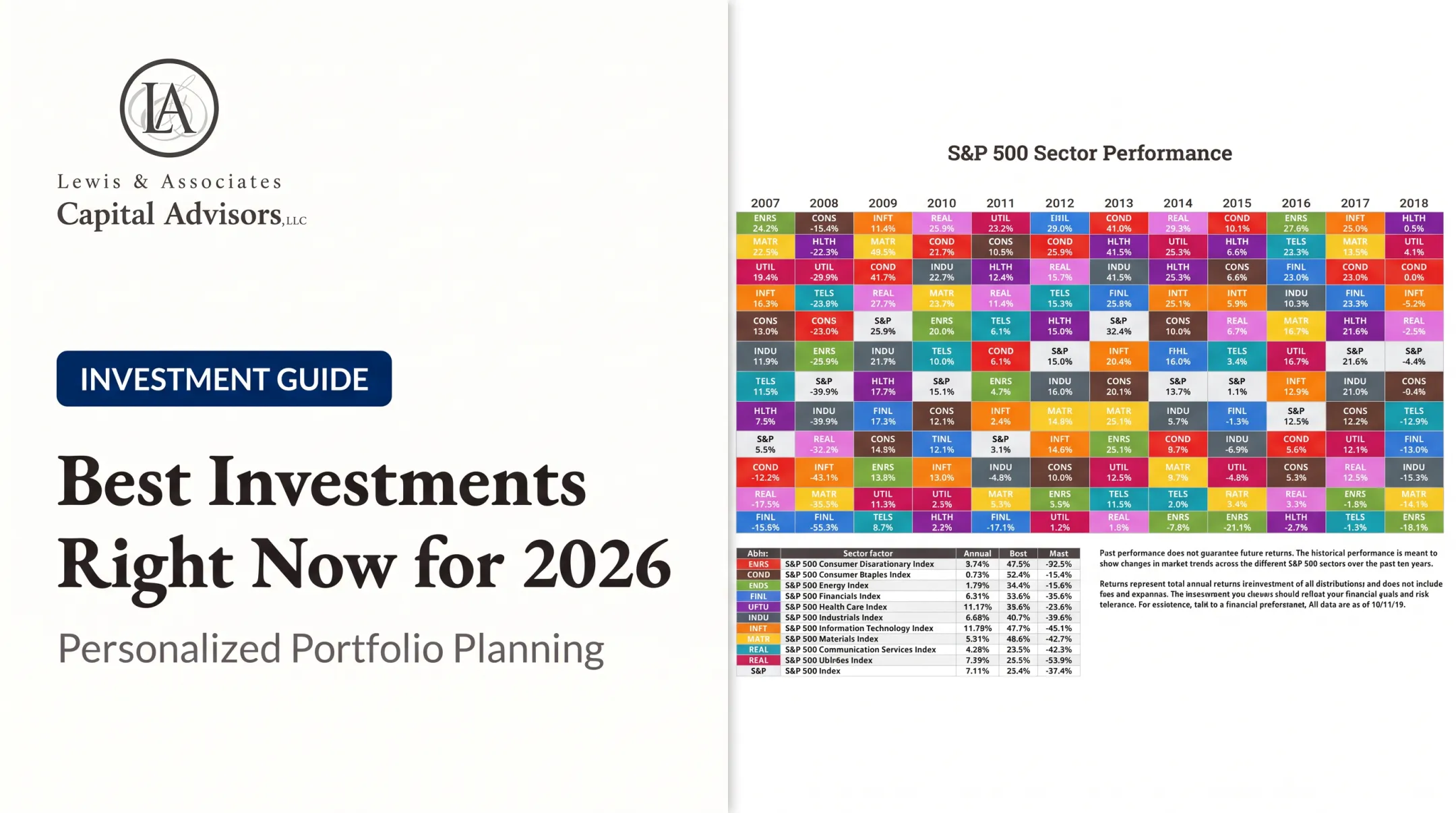
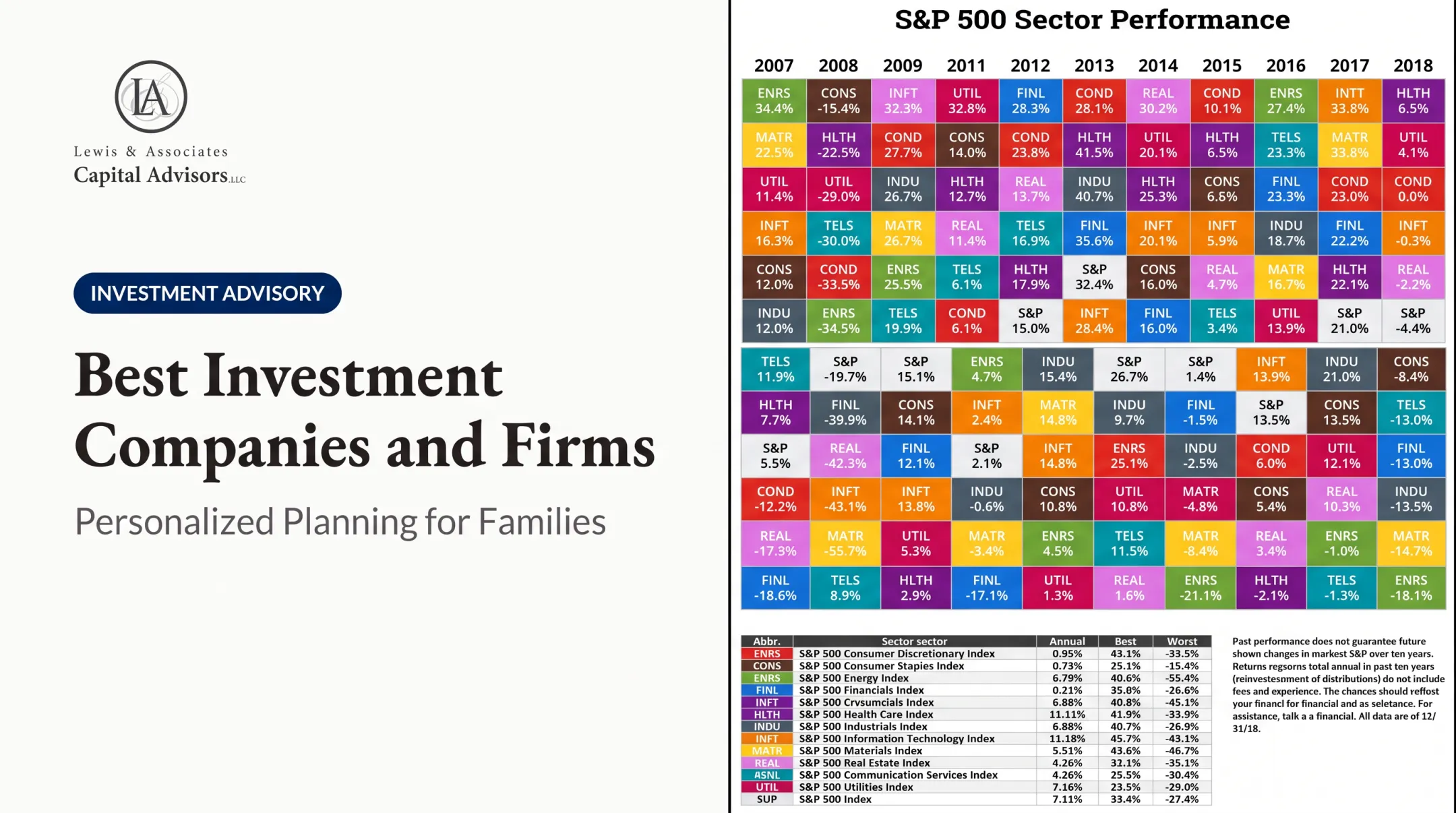
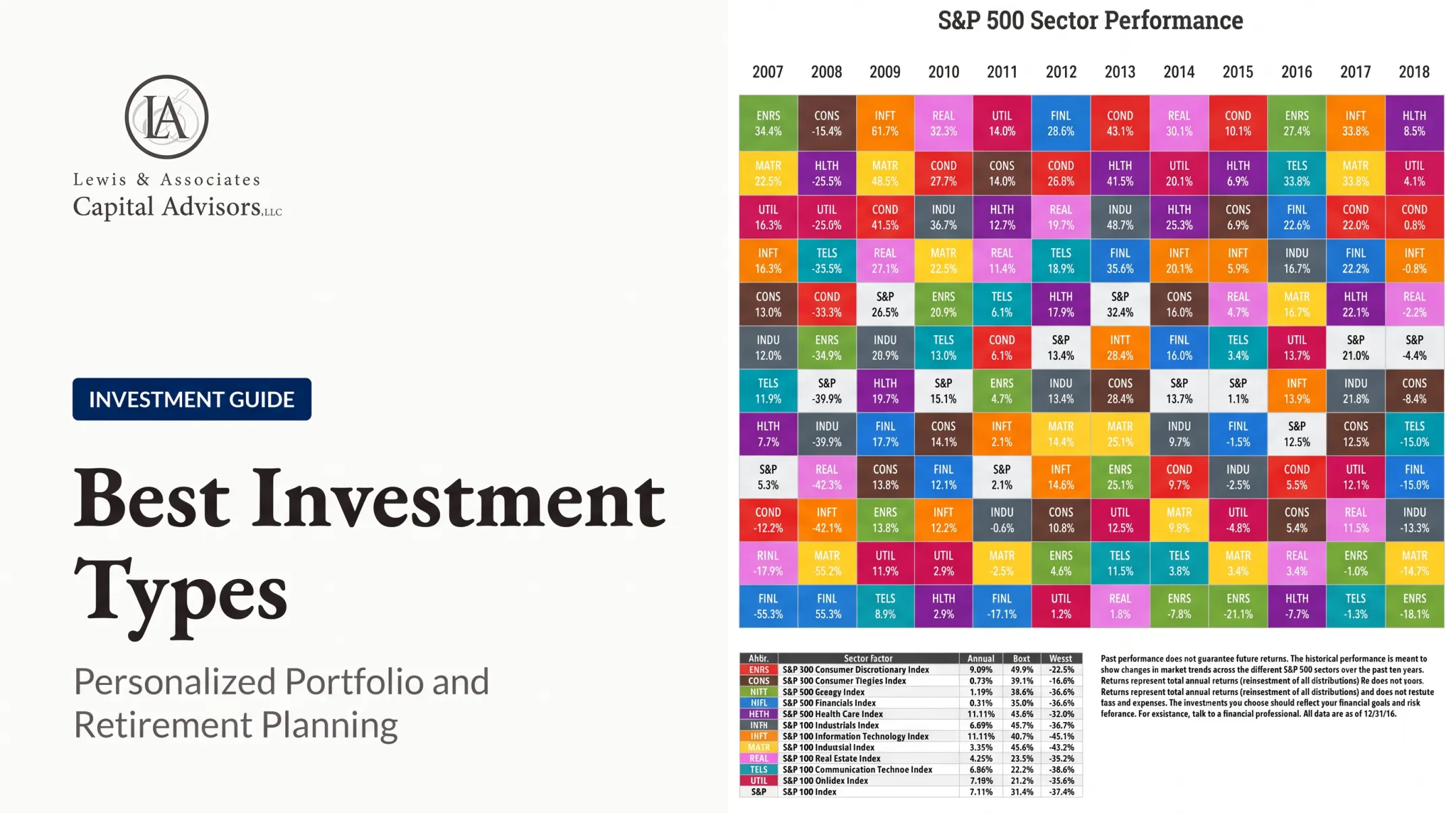
They respond differently to the same events. Stocks and bonds in particular can move in opposite directions. Even inside the S&P 500, which has 11 sectors, not every sector wins every year.
The five funds below are examples to research, not personal recommendations. Check fees, holdings, tax treatment, and policies in current issuer documents.
Best Low-Cost Index Funds and ETFs for Investing
The funds below share these traits:
- Broad or useful market exposure
- Low ongoing costs
- Transparent strategy and practical access
- Diversification potential across account types and time horizons
Figures come from issuer materials dated in 2026, so confirm they are still current.
Vanguard Total Stock Market ETF (VTI)
VTI is an index ETF tracking the Morningstar US Total Market Index. Vanguard has renamed it Vanguard Morningstar Total Stock Market ETF, effective July 29, 2026, with no change to its objective or management.
- Expense ratio: 0.03% (April 2026)
- Holdings: 3,519 stocks across large, mid, and small caps (September 30, 2026)
- Largest sector: Technology at 43.15%
- Distributions: Quarterly
Why it stands out: One fund covers the whole U.S. market, which keeps portfolio construction simple. It suits long-horizon investors who want a core equity holding.
Limits: It carries full equity-market volatility, and technology weighting is heavy. It also overlaps substantially with other U.S. stock funds, so adding another rarely adds diversification.
Vanguard S&P 500 ETF (VOO)
VOO tracks the S&P 500, a large-cap index. It suits investors who want a straightforward allocation to large, recognizable U.S. companies.
- Expense ratio: 0.03% (April 2026)
- Holdings: 505 (September 30, 2026)
- Largest sector: Information Technology at 39.71%
- Distributions: Quarterly
Why it stands out: Simple, familiar exposure. The S&P 500 covers roughly 80% of U.S. market capitalization, and its top 10 holdings make up 37.8% of index weight, per the August 2026 S&P fact sheet.
Limits: It excludes most mid- and small-cap stocks. Pairing it with VTI mostly duplicates holdings. That 80% figure is a coverage proxy, not an exact overlap percentage between the two funds.
Vanguard Total International Stock ETF (VXUS)
VXUS tracks the FTSE Global All Cap ex US Index, covering stocks outside the United States.
- Expense ratio: 0.05% (February 2026 prospectus)
- Holdings: 8,901 stocks
- Split: 73.40% developed / 26.60% emerging markets
- Largest market: Japan at 16.1% of common stock
- Distributions: Quarterly
Why it stands out: It diversifies away from U.S. companies. Risks: currency swings, geopolitical events, regional concentration, and stretches of lagging U.S. stocks.
Tax note: Foreign taxes passed through on Form 1099-DIV may qualify for a credit or deduction under IRS foreign tax credit rules. Eligibility is conditional. The credit does not apply inside IRAs or 401(k)s.
Vanguard Total Bond Market ETF (BND)
BND tracks the Bloomberg U.S. Aggregate Float Adjusted Index, covering taxable, investment-grade, U.S.-dollar bonds. It excludes inflation-protected and tax-exempt bonds.
- Expense ratio: 0.03% (April 2026)
- Holdings: 11,434 bonds
- Average duration: 5.7 years
- Credit quality: 69.0% U.S. government, 12.0% A, 12.2% BBB
- Largest allocation: Treasury/Agency at 49.4%
- Distributions: Monthly
Why it stands out: Broad fixed-income exposure for a less equity-heavy portfolio.
Limits: Bond funds are not insured cash. FINRA notes that rising rates can reduce a bond's market value, and issuers can default or fall behind inflation. A 5.7-year duration means meaningful rate sensitivity. Match bond exposure to your withdrawal needs and timeline.
Fidelity ZERO Total Market Index Fund (FZROX)
FZROX is an index mutual fund tracking the Fidelity U.S. Total Investable Market Index.
- Expense ratio: 0.00% (December 2025)
- Holdings: 2,636 (August 31, 2026)
- Largest sector: Information Technology at 35.71%
- Minimum: None
- Distributions: December, per Fidelity's page
Why it stands out: No expense ratio and no minimum make it a fit for recurring contributions in a Fidelity account, including traditional and Roth IRAs.
Limits: Portfolio transaction costs are not reflected in the zero expense ratio. Portability is the bigger catch: Vanguard rejects FZROX purchases and transfers, so moving to another custodian may mean selling. It also overlaps heavily with VTI.

How We Chose the Best Low-Cost Index Funds and ETFs
Start With the Index and Your Goal
Begin with what the fund owns and what you need it to do, not the brand or last year's return.
Common mistakes to avoid:
- Chasing recent returns
- Confusing a low fee with low risk
- Stacking overlapping funds
Read the fine print on performance disclosures rather than relying solely on free online charts.
Compare Total Ownership Cost
- Expense ratio (SEC): annual operating expenses as a share of average net assets
- Bid-ask spread on ETFs
- Platform or transaction fees
- Tracking difference: gap between fund and benchmark returns over a period
- Taxes on distributions
- Any advisory or account-management fee
Use current prospectuses, regulatory filings, and reputable fund research tools.
Check Portfolio Construction
Review these construction factors:
- Market-cap exposure
- Domestic versus international mix
- Bond duration and credit quality
- Concentration and turnover
The stock/bond mix typically drives risk and return more than choices among growth, value, or size categories. Benchmark correctly: a portfolio holding small caps, mid caps, and international stocks shouldn't be judged against the S&P 500 alone.
Match the Fund to the Account
- Taxable accounts: ETFs are typically more tax efficient, but distributions remain taxable. Qualified dividends are taxed at 0%, 15%, or 20%, subject to holding-period rules.
- IRAs and 401(k)s: Trades inside the account create no taxable event, so ETF tax efficiency matters little. 2026 limits: IRA $7,500 ($8,600 at 50+); 401(k) deferral $24,500.
- Roth IRAs: Direct contributions phase out at $153,000-$168,000 (single) and $242,000-$252,000 (joint).
- Rollovers: Direct trustee transfers avoid withholding. Payments made to you carry 20% withholding from employer plans and a 60-day rollover window.
- Employer plans: Your menu is fixed by the plan, so the best fund is the best one offered.

Due-Diligence Checklist
- Read the current prospectus.
- Confirm the expense ratio and benchmark.
- Review holdings and sector concentration.
- Check tracking record and distribution history.
- Confirm liquidity and whether your platform offers the fund.
Past performance does not guarantee future results.
Conclusion
A low-cost index fund or ETF is a useful building block, but the right one depends on several personal factors:
- Desired market exposure
- Time horizon and risk tolerance
- Account type and tax situation
- Need for income or growth
Review your whole portfolio for unintended overlap, keep an appropriate cash reserve, and revisit your allocation as goals or retirement dates change rather than reacting to short-term swings.
If you want help connecting fund choices to retirement income, rollovers, withdrawals, or broader planning, Lewis & Associates Capital Advisors, LLC is one option. It is a registered investment adviser serving North Carolina clients, founded in 2009. The firm offers personalized, commission-free investment and retirement planning on a fiduciary basis.
The firm does not endorse every fund listed here, and this article does not replace individualized advice.
Frequently Asked Questions
What is a low-cost mutual fund?
A low-cost mutual fund keeps ongoing expenses relatively low. Category averages for index equity mutual funds were 0.05% in 2025. Also weigh transaction costs, minimums, taxes, and tracking quality.
What is the best low-cost investment?
No single investment is best for everyone. The answer depends on your objective, time horizon, risk tolerance, account type, diversification needs, and ability to stomach losses.
Are index funds good for the long term?
Broadly diversified index funds can suit long-term goals. They can still decline, carry no guarantees, and should match your risk capacity and timeline.
What if I invest $10,000 in mutual funds for 5 years?
The outcome depends on contributions, performance, fees, taxes, and markets. Try the Investor.gov calculator with clearly labeled hypothetical rates, not forecasts.
Where should I invest extra money for retirement?
Build three to six months of emergency savings and weigh high-interest debt first. Then compare employer-plan contributions, traditional or Roth IRAs, and taxable accounts by eligibility, tax treatment, and investment options.
What are the best investments for a Roth IRA?
A Roth IRA can hold many eligible investments, including funds like FZROX. The choice depends on time horizon, diversification, risk tolerance, and goals. Verify eligibility and tax rules with a qualified professional.